
Toona sinensis
3.99$
25x / pack
🌳 Toona sinensis
(Chinese Toon / Red Onion Tree)
Edible spring shoots with Asian flavor — hardy perennial down to −25 °C (−13 °F)
🧬 An Ancient Asian Plant with Many Uses
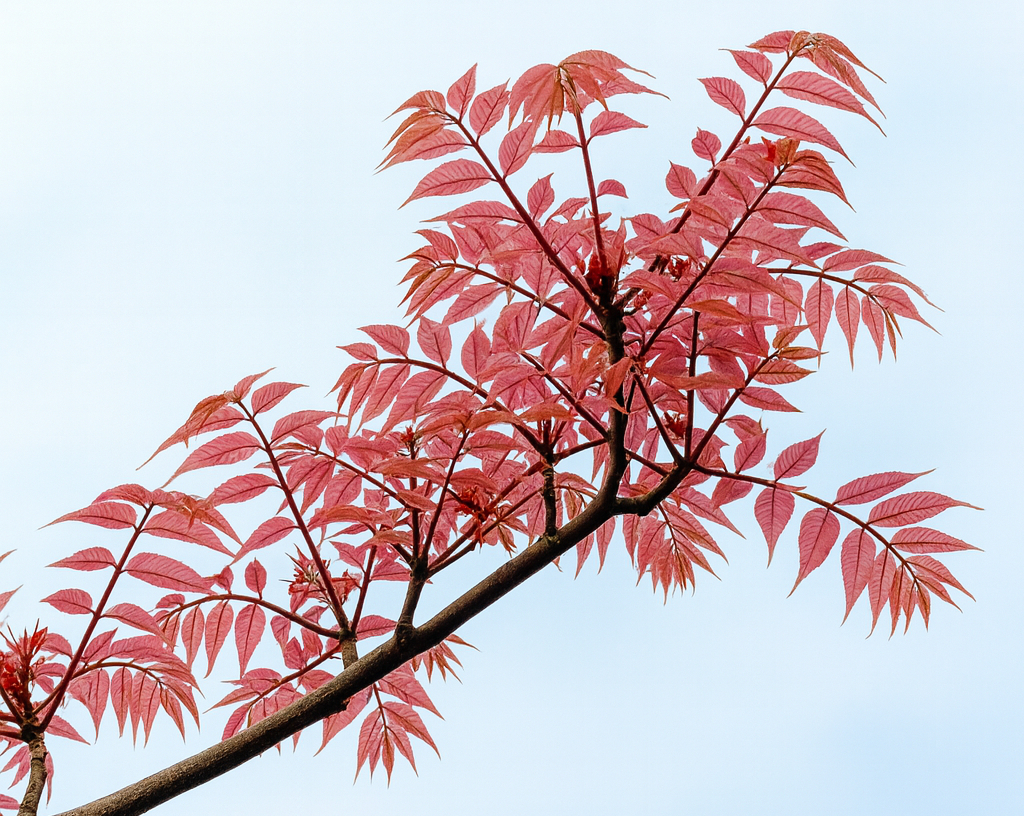
Toona sinensis is a deciduous, perennial edible tree native to East Asia, cultivated for centuries in China—particularly in the Sichuan and Hunan regions.
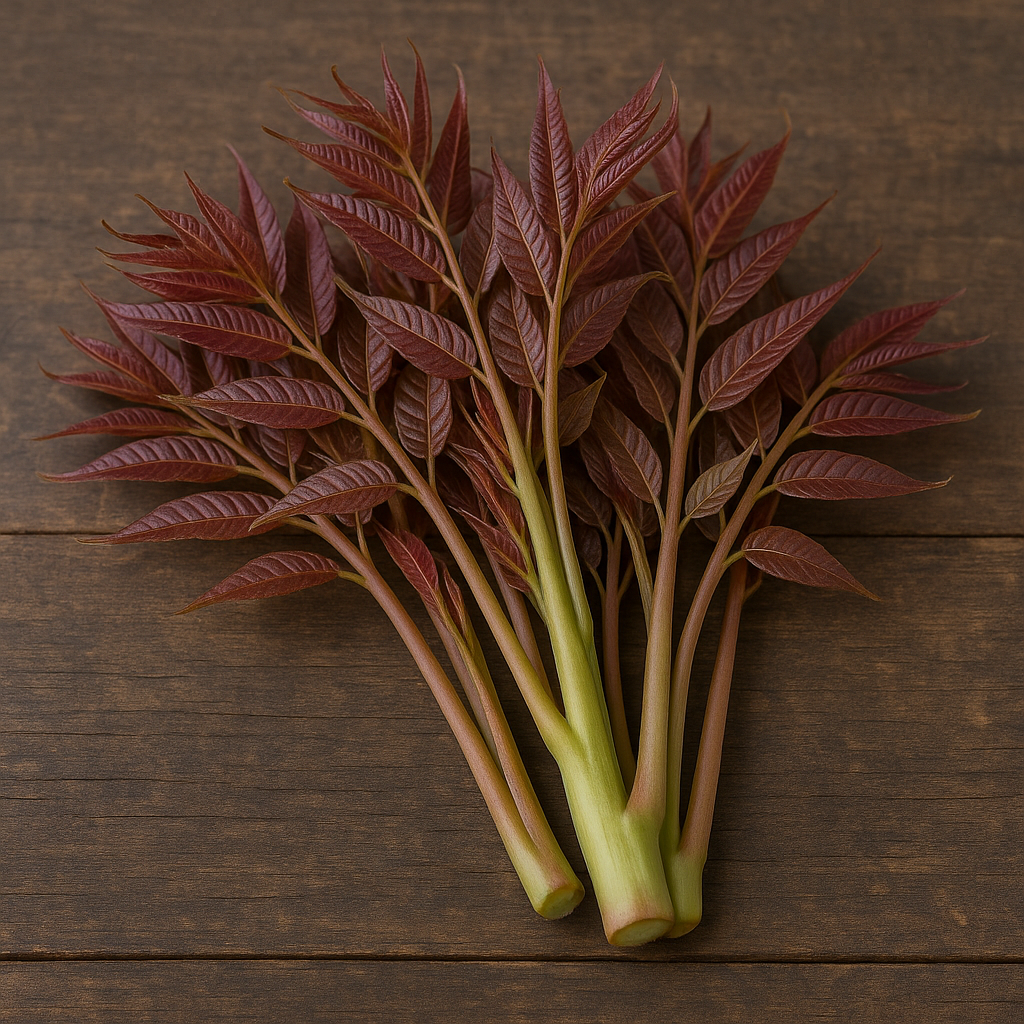
Its young spring leaves, red to green-brown in color, are harvested and cooked as a prized leafy vegetable known as 香椿芽 (Xiang Chun Ya / Hsiang Chun Ya). Their complex aroma evokes garlic, red onion, and fresh coriander.
With its striking foliage, unique flavor, and impressive hardiness, Toona sinensis is a top choice for rare tree collectors, creative chefs, and curious gardeners.
🇨🇦 Adaptation to Quebec & Canada
Despite its Asian origins, Toona sinensis adapts very well to cold climates once established, tolerating temperatures down to −25 °C (Zone 4a).
Canadian growing tips:
- Provide winter protection for the first 2 years (thick mulch at the base, wind-sheltered site).
- Plant in full ground, ideally facing south or west, in rich, well-drained soil.
- Reaches 6–8 m (20–26 ft) at maturity, but can be kept pruned low to encourage young shoot harvest.
🌱 Seed Germination & Care
Growing Toona sinensis from seed requires patience and care:
➤ Essential Pre-treatment
- Soak seeds in lukewarm water (≈25 °C / 77 °F) for 24 hours
- Change the water 4 times to prevent stagnation
➤ Germination
- Optimal temperature: 20–25 °C (68–77 °F)
- Germination time: 15–30 days
- Use a light, moist substrate; keep out of direct sunlight
- Transplant into individual pots once 2 true leaves appear
🌿 Gardener’s tip: Toona sinensis can also be grown indoors year-round for edible microgreens, using a moist growing medium.
🥗 Edibility & Precautions
✅ Edible parts: young leaves and tender shoots
❌ Do not consume seeds or large quantities of mature raw leaves (flavor too strong; mild laxative effect possible)
🌱 No known toxicity in young leaves when cooked, or when eaten raw in small amounts.
🍽️ Cuisine & Recipes — A Journey into Chinese Culinary Tradition
Xiang Chun Ya is a highly sought-after seasonal delicacy in springtime Chinese cuisine. Valued for its aromatic, almost umami profile, it elevates even the simplest dishes.
Simple ideas
- Toona omelet: sauté young leaves briefly in oil, add to beaten eggs, cook like a frittata.
- Stir-fried noodles: toss thick noodles with sautéed Toona shoots, soy sauce, garlic, and sesame oil.
- Toona pesto: blend young leaves with cashews, parmesan, garlic, and olive oil—surprising and delicious!
🧑🍳 Refined Recipe
Steamed Dumplings with Toona Shoots & Smoked Tofu
A specialty from Shaanxi province
Ingredients
- 1 cup fresh Toona shoots, finely chopped
- 200 g smoked tofu, crumbled
- 1 tbsp sesame oil
- Light soy sauce, chopped scallions
- Dumpling wrappers (homemade or store-bought)
Preparation
- Mix all ingredients in a bowl.
- Fill dumplings and seal edges.
- Steam for 10 minutes.
- Serve with Chinese black vinegar and a drizzle of chili oil.
A vegetarian dish that is aromatic, elegant, and deeply rooted in Asian culinary tradition.
📦 At a Glance
| Feature | Details |
|---|---|
| Botanical name | Toona sinensis |
| Family | Meliaceae |
| Origin | China, Korea, Southeast Asia |
| Edible parts | Young leaves, tender shoots |
| Hardiness | Down to −25 °C (Zone 4a) |
| Mature height | 6–8 m (20–26 ft) |
| Uses | Culinary, microgreens, ornamental |
| Toxicity | No known toxic parts |
🌟 Bring a touch of Asia to your northern garden
Rare, hardy, edible, aromatic, and ornamental—Toona sinensis is both a botanical curiosity and a culinary gem, perfectly suited for adventurous gardeners and cooks alike.


 Baby Red Curly Lettuce
 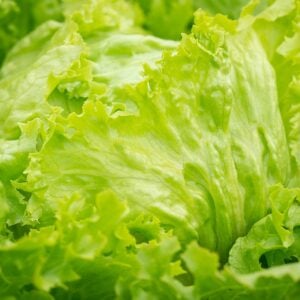 Iceberg lettuce
 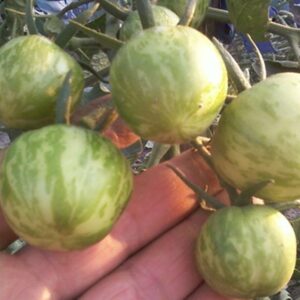 White Zebra Tomato
 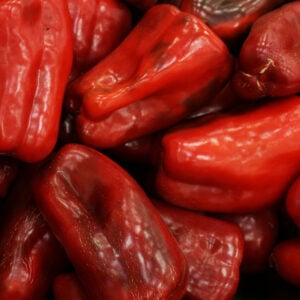 Sweet Mercedes Pepper
 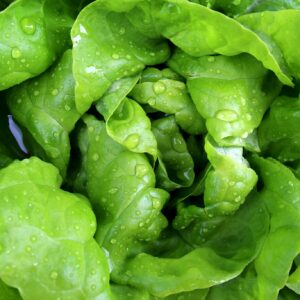 Queen May Lettuce
 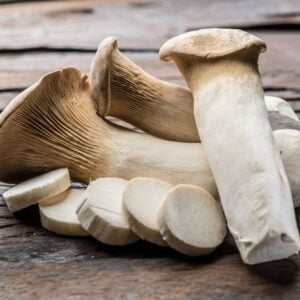 Royal Oyster Mushroom