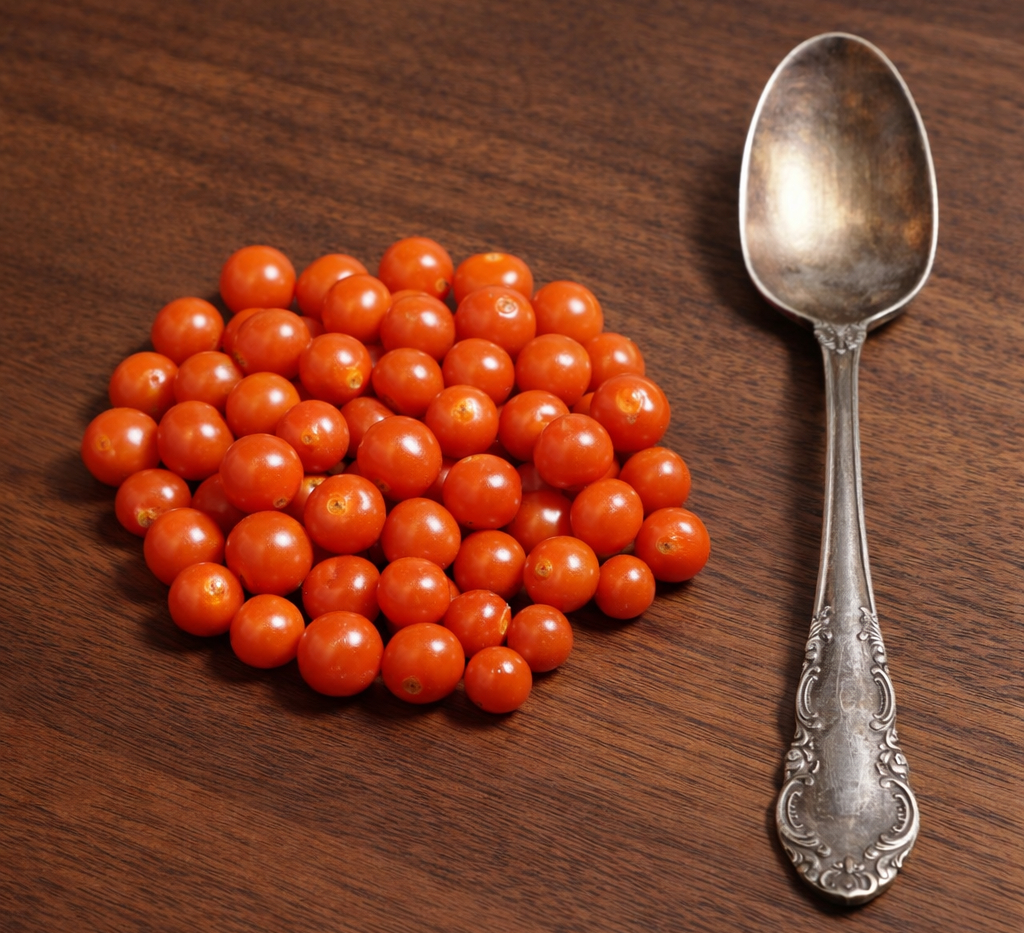
Cold-Hardy Wild Pepper
6.99$
10x / pack
Out of stock
Recevoir un courriel lorsque le produit est de retour en stock
Hardy Perennial Pepper — Capsicum flexuosum
Cold-Hardy Wild Pepper
🌿 Description
Capsicum flexuosum is a rare wild pepper native to Brazil, known for its exceptional cold resistance and its ability to live for several years. Unlike most peppers grown as annuals, this species develops woody stems over time, forming a small shrub that can resemble a young tree.
The plant produces small red berry-shaped fruits with a pleasant tropical flavor and a heat level comparable to Cayenne pepper, although intensity may vary from plant to plant. It also makes an excellent container specimen, both for its shape and longevity.
In temperate climates, this pepper can keep its foliage very late into the season and sometimes even into the heart of winter before going dormant.
🎨 History
Native to the wild regions of Brazil, Capsicum flexuosum is an uncommon species that is still rarely cultivated. It is especially valued by collectors and pepper enthusiasts for its hardiness and unique growth habit.
Unlike traditional peppers, this plant can become semi-perennial, continuing to grow year after year when conditions allow.
🌱 Germination
Germination of Capsicum flexuosum is known to be slow, irregular, and sometimes difficult, especially for beginner gardeners. The seeds are very hard, black, and naturally well protected.
Recommended methods:
- Lightly rub the seeds with sandpaper to help break the outer coating
- Soak the seeds overnight in a warm liquid (e.g., mild tea)
- Use a heat mat to maintain a constant temperature
Ideal conditions:
- Temperature: 25–30 °C (77–86 °F)
- Slow and variable germination
Despite these challenges, plants can flower and produce fruit in the first year when started early.
🌿 Care
Capsicum flexuosum is a vigorous and long-lasting plant.
- Exposure: full sun
- Soil: rich and well-drained
- Watering: moderate and regular
- Container growing: an excellent option to control growth
Over time, the stems become woody and the plant can take on the appearance of a small bush.
❄️ Cold Resistance
This pepper is particularly known for its tolerance to cool temperatures.
- Can survive for several years in certain conditions
- Can keep its foliage late into the season
- Goes dormant during winter
- Resumes growth in spring
The fruits may even remain attached to the plant through winter, making it a very unusual and distinctive garden plant.
✂️ Pruning Technique
Light pruning helps maintain a nice structure and encourages growth.
- Lightly prune in spring to stimulate branching
- Remove dead or weak branches
- Helps keep a compact shape when grown in pots
Over the years, the plant develops a stronger, more shrub-like structure.
🍽️ Culinary Use
The small red fruits are edible and aromatic.
- Distinct tropical flavor
- Heat level comparable to Cayenne
Ideal for:
- hot sauces
- spicy dishes
- fresh or dried use
The level of heat can vary from plant to plant.
⚠️ Toxicity
The fruits are edible.
Leaves and stems should not be consumed.
💧 Hydroponic Growing
Hydroponic cultivation is possible, especially during the early years of growth.
- System type: DWC or inert substrate with support
- Lighting: strong, intense light
- Pruning: recommended to control shape
However, this species grows particularly well in traditional pots, where it can become a long-lasting specimen.
✅ Quick Facts
Type: Semi-perennial wild pepper
Origin: Brazil
Height: Compact shrub with woody stems
Heat: Comparable to Cayenne (variable)
Exposure: Full sun
Special trait: Cold-hardy, can live for several years
Advantages: Aromatic red fruits, rare plant, can produce even in cooler climates.