
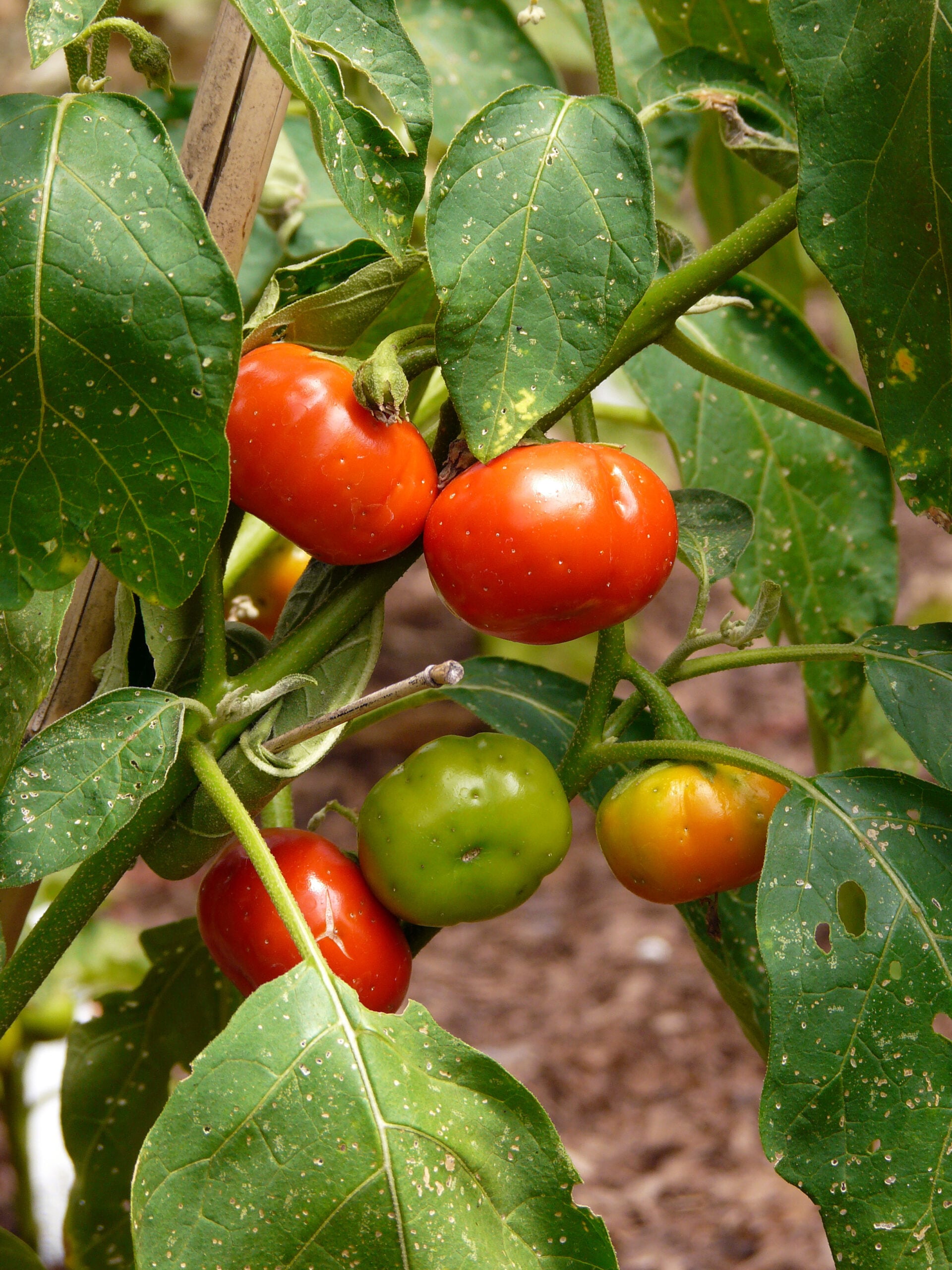
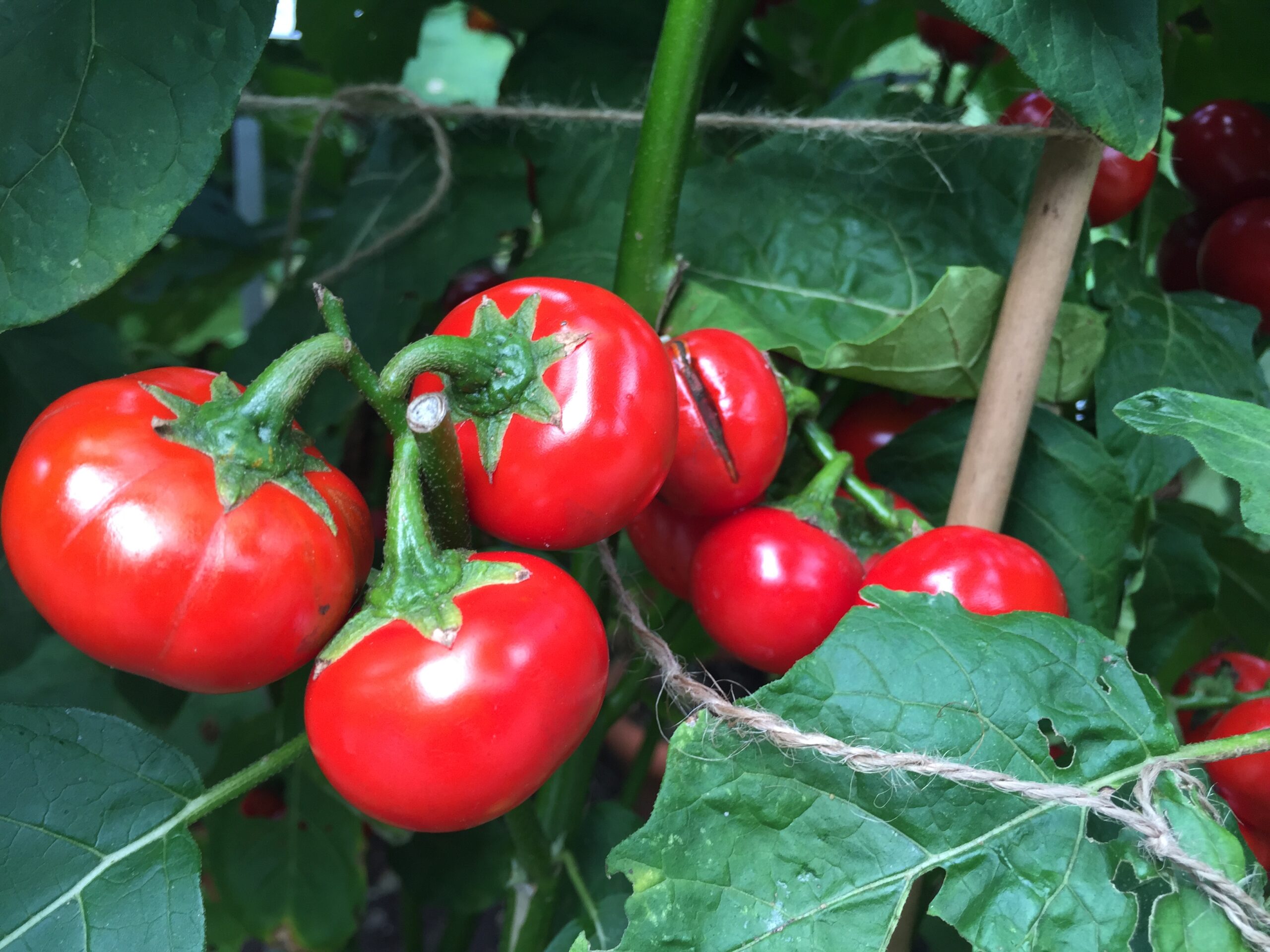
Cannibal Tomato — Solanum uporo
4.99$
10x / pack
In stock
🍅 Cannibal Tomato — Solanum uporo
Scientific name: Solanum uporo
Common names: Cannibal tomato, Island wild eggplant, Uporo (traditional name)
🌍 A Rare Plant from the Pacific
The Cannibal Tomato is a tropical plant from the Solanaceae family, native to the South Pacific islands, including New Caledonia, Vanuatu, and other Melanesian islands. Known locally as uporo, it is surrounded by rich folklore. In some cultures, it was grown near ancient ritual sites—hence its provocative nickname “cannibal tomato,” which has no connection to cannibalism or inherent edibility risks when properly prepared.
🌿 Plant Characteristics
This variety produces small spherical to oval fruits, about 3–6 cm (1–2.5 in), ripening from light green to deep purple. The flesh is firm, with an intense, woody flavor featuring notes of smoked eggplant, raw cacao, and sometimes bitter coffee. Plants reach 1–1.5 m (3–5 ft) tall, with dense, velvety foliage.
✅ Edibility & Precautions
- Ripe fruits, well cooked, are edible and flavorful.
- As with many solanaceous plants, green parts (stems, leaves) and unripe fruits contain glycoalkaloids, natural compounds that can be toxic in large amounts.
⚠️ Never consume raw. Always cook thoroughly.
🌱 Germination & Cultivation
(Special considerations for Quebec / Canada)
Germination
- Optimal temperature: 25–30 °C (77–86 °F)
- Emergence: 7–15 days
- Method: Start indoors 8–10 weeks before the last frost. Use a heat mat or heated mini-greenhouse to ensure good germination.
Care
- Transplanting: After all frost risk has passed; grow in a greenhouse, deep container, or outdoors in very warm climates
- Exposure: Full sun, minimum 6 h/day
- Soil: Well-drained, rich in compost or well-aged manure
- Watering: Regular, without waterlogging
👉 Canada / Quebec tip:
Prefer greenhouse cultivation or mobile containers to ensure full ripening. A hot summer is required for fruits to reach maturity.
📖 History & Origin
Cultivated for centuries by Melanesian peoples, uporo was a traditional food-garden plant with culinary and medicinal uses. Elders valued it for tonic and digestive properties. Its association with rites of passage contributed to its mysterious reputation. Today, it is still used in some villages to enrich rustic, nourishing dishes.
🍽️ Cuisine & Recipes
When ripe and cooked, the fruit reveals a firm texture and deep flavor, reminiscent of eggplant with intense smoky undertones.
Quick ideas
- Roasted uporo with sesame oil, garlic, and soy sauce
- Cannibal tomato gratin with smoked cheese and crunchy breadcrumbs
- Rustic sauté with sweet potatoes, onions, and fresh cilantro
- Miso spread: uporo purée, tahini, and lemon
🌺 Refined Traditional Recipe
Upōro in Coconut Milk & Kaffir Lime
Ingredients
- 6–8 fully ripe fruits
- 1 garlic clove
- 1 tbsp freshly grated ginger
- 1 cup coconut milk
- 3 kaffir lime leaves
- Coconut oil, salt, mild chili (optional)
Preparation
- Halve the fruits and sauté in coconut oil.
- Add garlic, ginger, and kaffir lime leaves.
- Pour in coconut milk and simmer gently 25–30 minutes until tender.
- Serve with jasmine rice and fresh cilantro.
🧑🍳 Inspired by culinary traditions of Vanuatu, this dish is perfect for lovers of exotic, smoky flavors.
🍹 Cocktail Tip
Roasted uporo skins can be infused into a sweet syrup to create a unique cocktail base.
Idea:
Smoked uporo syrup + dark rum + lime + ginger zest = Pacific Old Fashioned
⚠️ IMPORTANT WARNING
- Do not consume raw.
- Stems, leaves, unripe fruits: toxic at high doses (glycoalkaloids).
- Contraindicated for individuals sensitive to Solanaceae.
- Possible interactions with certain cardiovascular medications (digitalis, diuretics). Consult a healthcare professional if unsure.
🛒 At a Glance
- Name: Cannibal Tomato (Solanum uporo)
- Type: Rare tropical fruiting plant
- Origin: Oceania (Melanesia)
- Cultivation (Canada): Greenhouse or container
- Flavor: Smoky, intense, woody
- Cuisine: Excellent cooked, in exotic or fusion dishes
- Special note: Medicinal & ritual plant in its native culture
- Caution: Unripe parts are toxic
Available in packets of 10 seeds — a unique, rare, and captivating variety to explore in your garden.
Discover a millennia-old island tradition, a forgotten flavor, and a treasure from the far edge of the world.

 Daikon Wasabi
  Micro Bird Chili
  Morning Glory Milky Way
  Modest Mimosa
  Atomic Tomato