
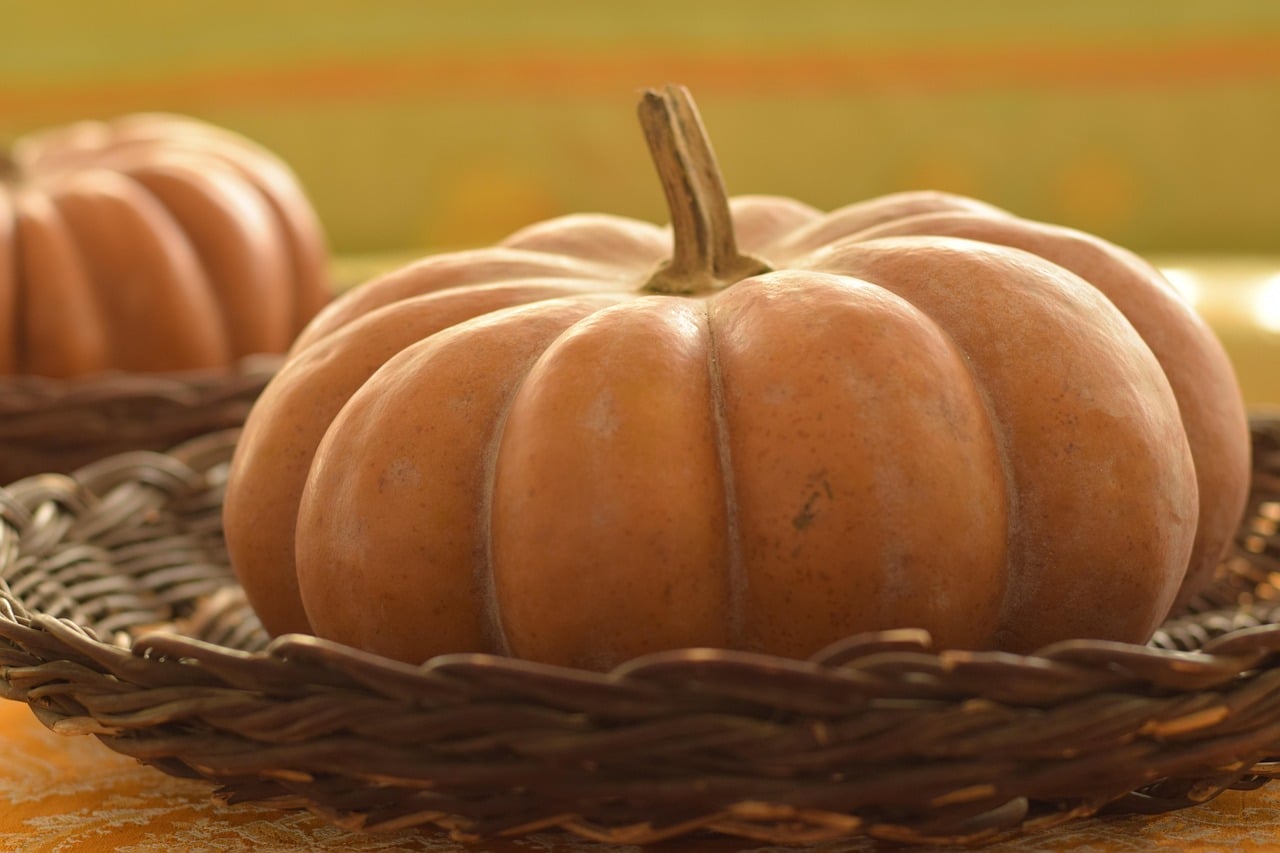
Butterkin Squash
2.99$
10x / pack
In stock
Squash — Cucurbita moschata × Cucurbita maxima
Butterkin
🌿 Description
Butterkin squash is a remarkable hybrid created from a cross between butternut squash and a traditional pumpkin. It combines the best of both worlds: the dense, sweet flesh of butternut with the round, generous shape of a classic pumpkin.
The fruits have beige to orange skin and thick, smooth, flavorful flesh. Their size is generally medium, making them easy to handle in the kitchen, and the texture becomes especially creamy when cooked.
The plant is vigorous and produces beautiful fruits that are both decorative and delicious, perfect for the family garden.
🎨 History
Butterkin is a relatively recent hybrid developed to unite the rich flavor of butternut squash with the classic shape of traditional pumpkins. This type of cross aims to improve taste while maintaining good productivity and strong visual appeal in the garden.
It has quickly become popular among gardeners and cooks looking for a versatile, flavorful squash that is easy to turn into purée or soup.
🌱 Germination (adapted to Quebec climate)
In Quebec, it is recommended to start seeds indoors a few weeks before the last frost, especially in cooler regions where the growing season is shorter.
Sowing period
Indoor sowing: 3 to 4 weeks before the last frost
Outdoor sowing: when all risk of frost has passed and the soil is well warmed
Method
Sow at about 2 to 3 cm (1 in) depth
Ideal temperature: 22–30 °C (72–86 °F)
Germination in 5 to 10 days
Transplant into the garden when plants are well established and nighttime temperatures have stabilized.
🌿 Care
Butterkin squash is a vigorous plant that needs space to develop properly.
Exposure: full sun
Soil: rich, fertile, and well-drained
Watering: regular, especially during fruit formation
Spacing: allow plenty of room for the spreading vines
Mulching helps retain moisture and reduce weed growth.
✂️ Pruning Technique (compactness & production)
Light pruning can improve production and help direct the plant’s energy toward the fruits.
Pinch the ends of the main vines after a few fruits have formed
Remove overly long or less productive stems
Limit the number of fruits per plant to obtain larger squash
Encourage better air circulation between the leaves
This method helps produce more uniform and well-developed fruits.
🍽️ Culinary Use
Butterkin squash is very versatile in the kitchen.
Smooth, slightly sweet, and creamy flesh
Ideal for:
soups and creamy soups
purées
gratins
oven roasting
squash-based desserts
It combines the rich taste of butternut with the traditional texture of pumpkin.
🍸 Cocktail & Decoration
With its round shape and warm color, Butterkin is also very decorative.
Autumn decorations
Centerpieces
Rustic culinary presentations
Harvest and garden-themed displays
It brings a natural and authentic touch to fall décor.
⚠️ Toxicity
Butterkin squash is fully edible.
As with all squash, avoid consuming any fruit that tastes bitter.
✅ Quick Facts
Type: Annual hybrid squash
Growth habit: Vigorous vining plant
Exposure: Full sun
Soil: Rich and well-drained
Use: Edible and decorative
Advantages: Butternut × pumpkin hybrid, flavorful flesh, ideal for soups and purées, well suited to short growing seasons like in Quebec.

 Daikon Wasabi