
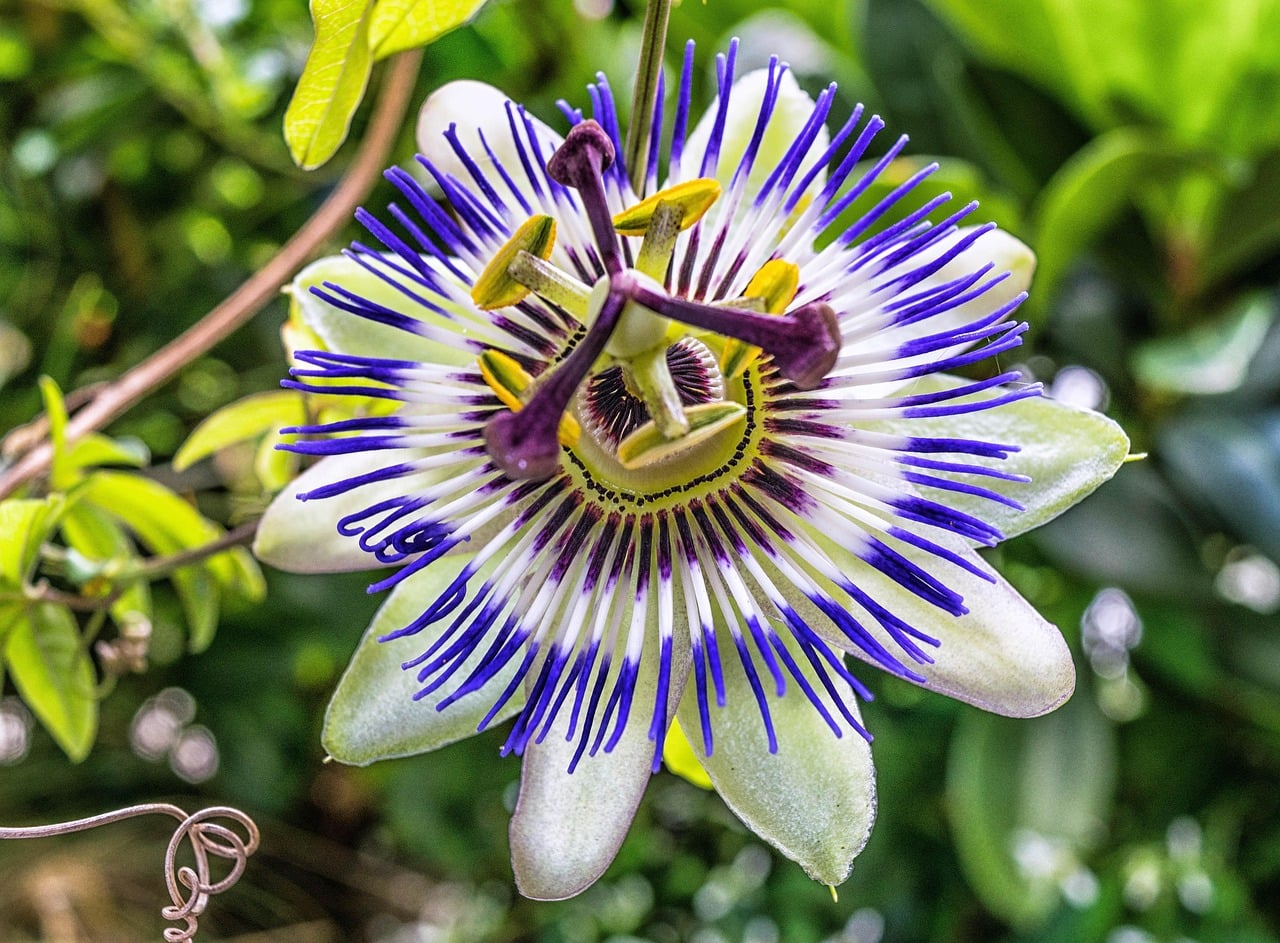
Blue Passionflower
5.99$
10x / pack
Blue Passionflower — Passiflora caerulea
Passiflora caerulea
🌿 Description
The blue passionflower is a magnificent climbing plant known for its spectacular flowers in shades of white, blue, and violet, with remarkable complexity and elegance. Each flower has an almost geometric structure, with delicate filaments forming a colorful crown around the center.
This vigorous plant can climb several meters and easily attaches to trellises, fences, pergolas, and balconies, creating a dense and exotic green screen. Under good conditions, it can also produce small decorative orange fruits.
🎨 History
Native to South America, Passiflora caerulea has been cultivated for centuries as an ornamental plant. It was introduced to Europe in the 17th century, where it quickly fascinated botanists with the complexity of its flowers.
Its name “passionflower” comes from missionaries who saw religious symbolism in the structure of the flower, associating it with the Passion of Christ. Today, it is appreciated for its tropical appearance, vigor, and impressive blooming.
🌱 Germination (adapted to Quebec climate)
Passionflower can be grown from seed, but germination sometimes requires patience.
Sowing period
Indoor sowing: 8 to 10 weeks before the last frost
Outdoor transplanting: after all risk of frost has passed
Method
Soak seeds in warm water for 24 hours before sowing
Sow at about 1 cm (3/8 in) depth
Keep the soil warm and moist
Ideal temperature: 22–28 °C (72–82 °F)
Germination in 2 to 6 weeks, sometimes longer
🌿 Care
Passiflora caerulea is a vigorous and easy-to-grow plant.
Exposure: full sun to partial shade
Soil: rich, well-drained
Watering: regular, especially during hot periods
Support: trellis or structure for climbing
In colder regions like Quebec, it can be grown in containers and brought indoors for the winter.
✂️ Pruning Technique (control & flowering)
Pruning helps control growth and stimulate flower production.
Lightly prune in spring to encourage branching
Remove weak or overly long stems
Guide growth along a support
Promote air circulation
Regular pruning helps maintain a dense, floriferous plant.
🍽️ Culinary Use
The fruits of some passionflowers are edible, but those of Passiflora caerulea are mainly used for ornamental purposes.
Fruits are sometimes eaten when fully ripe
Flavor is mild and can vary depending on growing conditions
The plant is primarily grown for its flowers.
🍸 Cocktail & Decoration
The blue passionflower is a spectacular plant for landscaping.
Flower-covered pergolas and fences
Balconies and terraces
Exotic-style gardens
Striking natural décor
Its unique flowers attract pollinators and create an impressive tropical effect.
⚠️ Toxicity
Some parts of the plant may be mildly toxic if consumed in large quantities.
It is recommended to consume only fully ripe fruits and in moderation.
Keep out of reach of young children and pets.
💧 Hydroponic Growing
Passiflora caerulea can be grown hydroponically in large systems with vertical support.
System type: hydroponics with trellis or climbing support
Lighting: intense light
Substrate: coco coir or rockwool
Maintenance: regular pruning to control growth
Its vigor makes it well suited for controlled environments.
✅ Quick Facts
Type: Perennial climbing plant (often grown as an annual in Quebec)
Height: 3 to 6 m (10–20 ft) with support
Exposure: Sun to partial shade
Soil / support: Rich soil and trellis
Use: Mainly ornamental
Advantages: Spectacular blue flowers, fast growth, tropical effect, attracts pollinators.

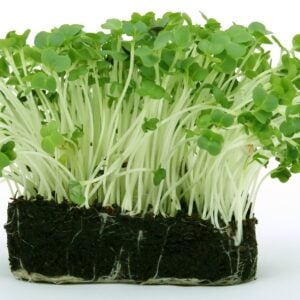 Micro garden cress
 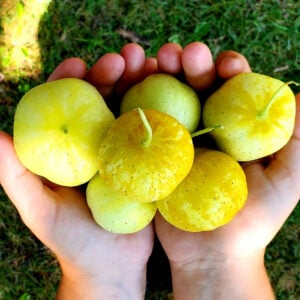 Lemon cucumber
 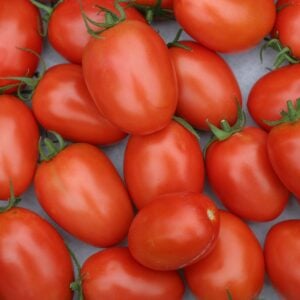 Tomato Roma VF
 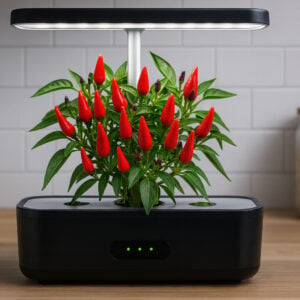 Micro Bird Chili
  Ancestral Romanesco Tomato
  Safflower False Saffron